Articles tagged mcp
Build a Secure TypeScript MCP Client with Cross App Access (XAA)

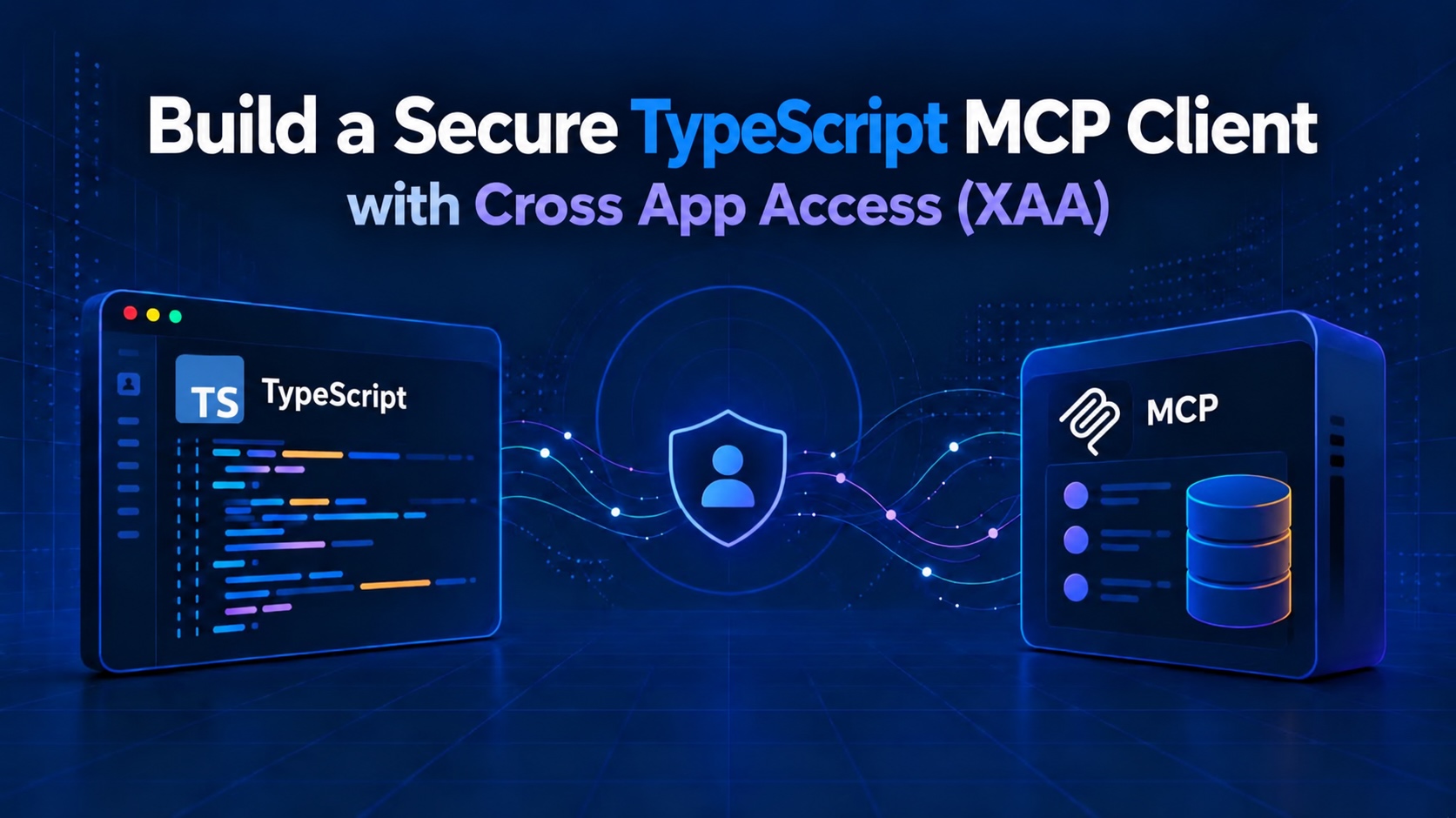
Enterprise apps rarely work alone. Imagine this scenario: HR wants to ensure that a new employee completes their new hire onboarding, and they want this verification in the company’s HR app so it’s tied to the employee’s personnel file. But the onboarding tasks come from a task-tracking tool with requirements defined by each department, from a different vendor and on a different domain than the HR app. It’s on IT to bridge the two. Wiring...
Build a Secure C# MCP App with Cross App Access (XAA)

A few years ago, getting a user signed in to an application or multiple applications with Single Sign-On (SSO) was enough; OpenID Connect (OIDC) handled the login, JWTs carried the claims, and Proof Key for Code Exchange (PKCE) made it secure. Today, with evolving AI, agents act on behalf of users and seek multiple accesses across different resources to execute a task. And that is when you’ll hit the gap. The user has an identity,...
Build, Test, and Publish a Cross App Access App in the Okta Integration Network


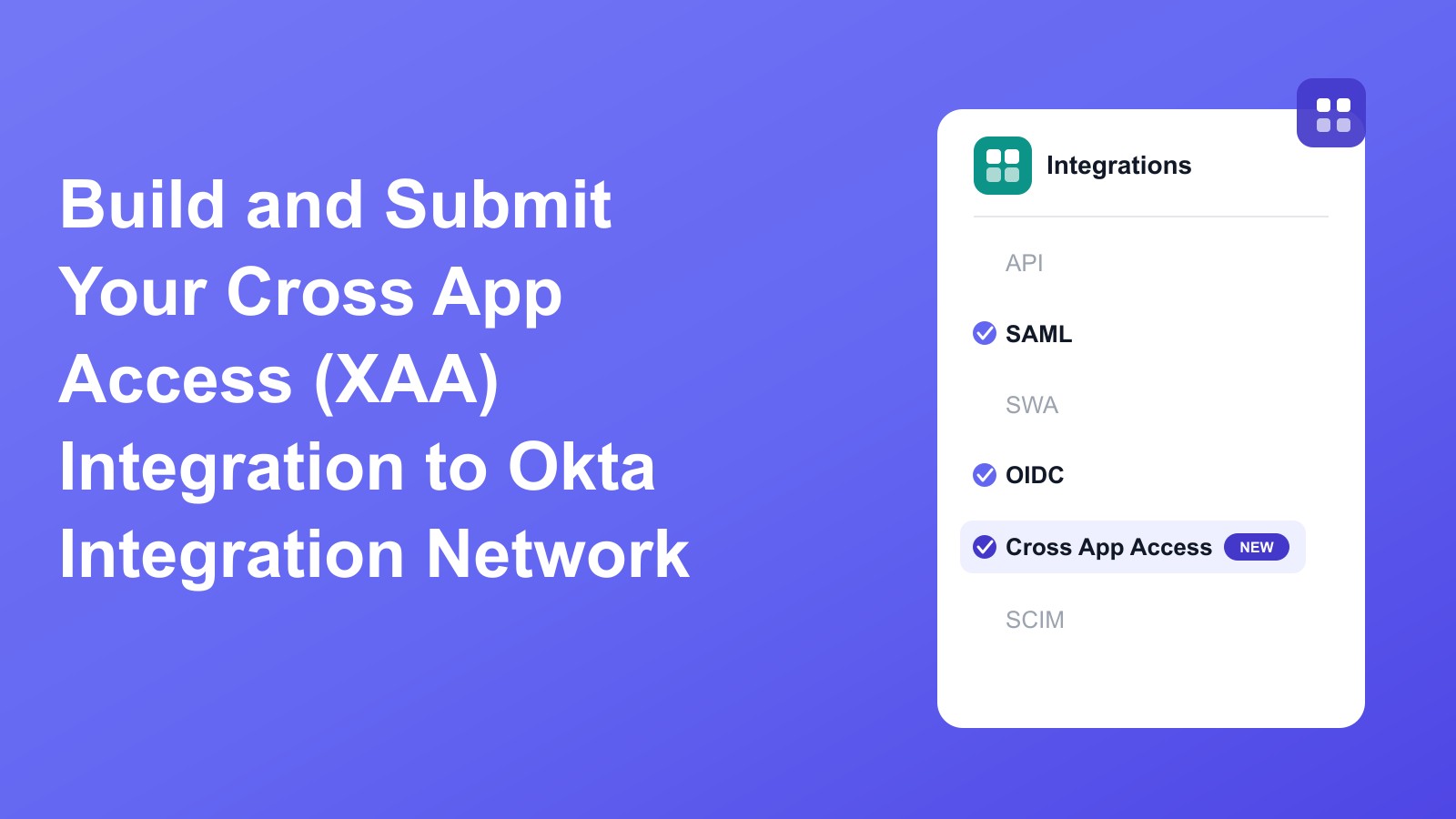
Cross App Access (XAA) lets your application request data from another vendor’s API on behalf of a signed-in enterprise user, without static API keys and without a separate consent prompt for every connection. If enterprises buy your software, supporting XAA turns your integration into something their IT team can govern centrally. This guide walks through building XAA support into your app or Model Context Protocol (MCP) server, testing the token exchange with Okta’s developer tools,...
Okta Developer Connect Recap
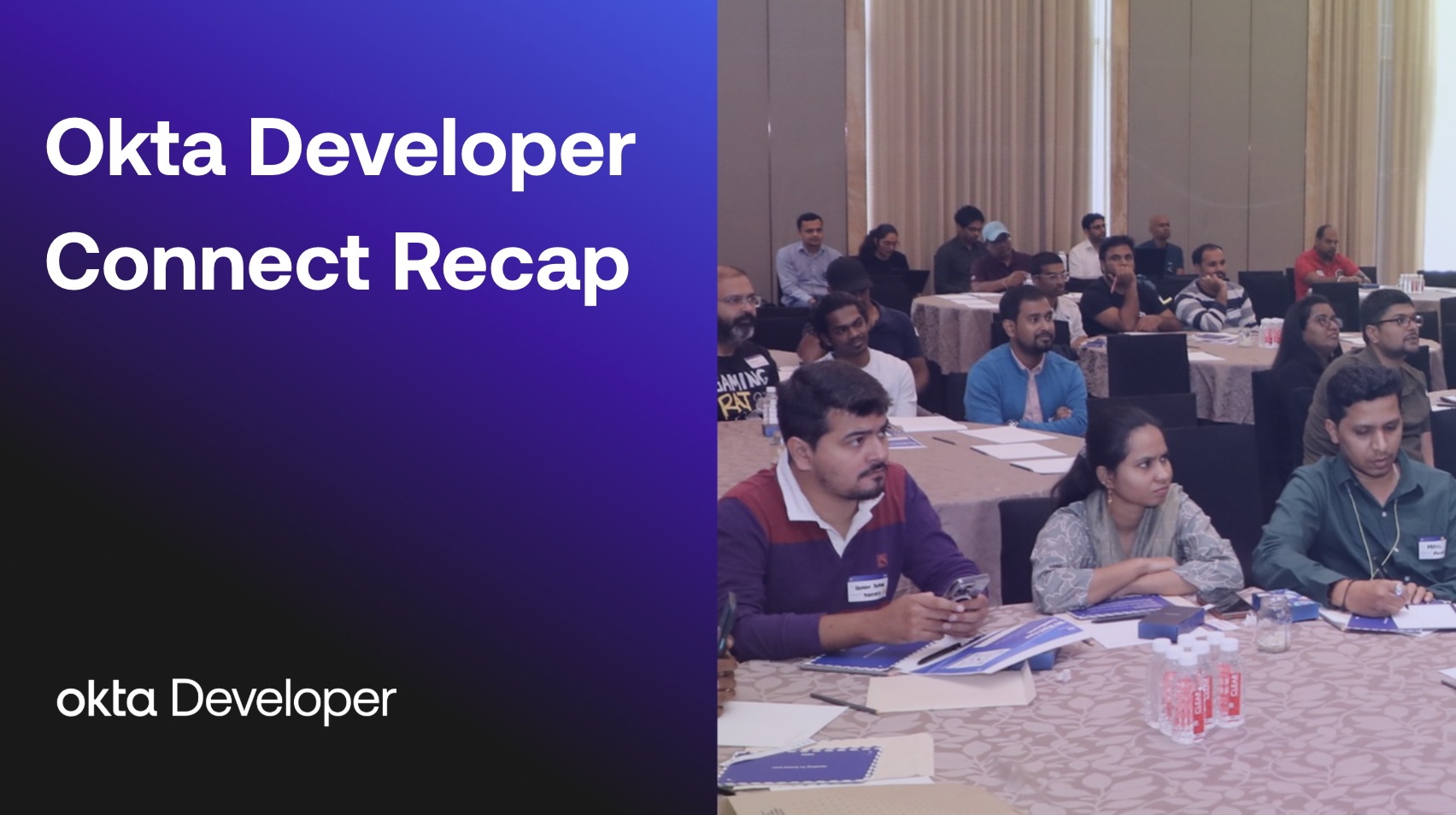
Identity has become one of the most important control points in modern systems. As applications grow more distributed and AI-driven automation becomes part of everyday workflows, identity increasingly defines how secure, predictable, and trustworthy those systems are. Decisions about access, scope, and lifecycle now shape not only the user experience, but also how well security holds up as systems scale. With this shift in mind, we hosted our first flagship Okta Developer Connect event in...
Introducing the Okta Open Source MCP Server

As AI agents and AI threats proliferate at an unprecedented rate, it becomes imperative to enable them to communicate safely with the backend systems that matter the most. A Model Context Protocol (MCP) server acts as the bridge between an LLM and an external system. It translates natural language intent into structured API calls, enabling agents to perform tasks like provisioning users, managing groups, or pulling reports, all while respecting the system’s security model. Establishing...
Build Secure Agent-to-App Connections with Cross App Access (XAA) Using OIDC

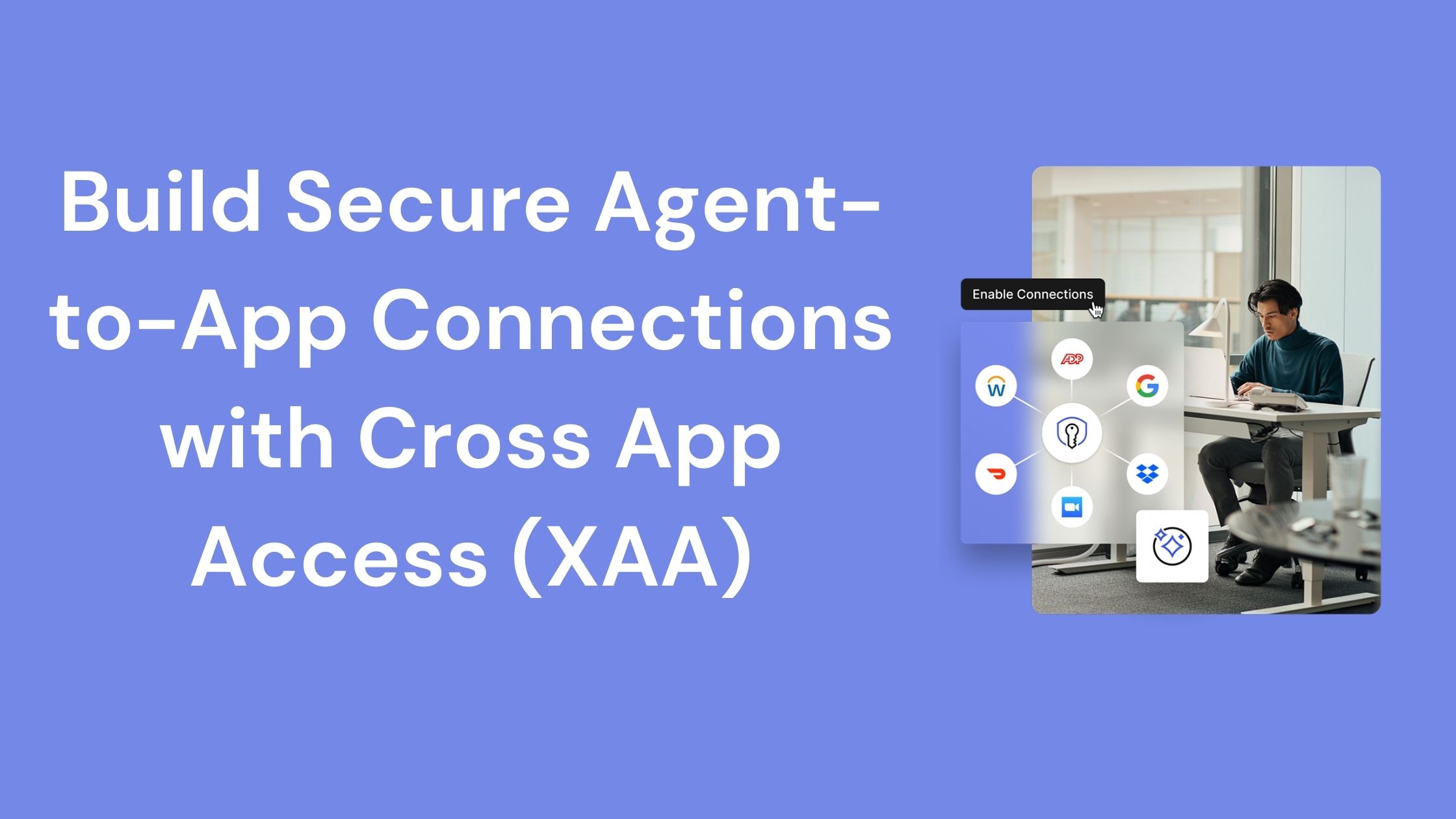
⚠️ This guide is out of date The Okta Admin Console steps in this guide no longer work: the XAA Resource App and XAA Requesting App App Catalog integrations, along with the Manage Connections tab, have been replaced by AI agent registration under Directory > AI Agents. Building the app that owns the API, validates the ID-JAG, and issues its own access token? Read Add Cross App Access to Your OIDC Resource Application. Building the...
Integrate Your Enterprise AI Tools with Cross App Access (XAA)

SaaS apps not only have to meet the rigorous demands of managing users at an enterprise level but must also be secure and resilient by design. In “An Open Letter to Third-party Suppliers”, Patrick Opet, Chief Information Security Officer of JPMorgan Chase, writes: “Modern integration patterns, however, dismantle these essential boundaries, relying heavily on modern identity protocols (e.g., OAuth) to create direct, often unchecked interactions between third-party services and firms’ sensitive internal resources.” Modern identity...